The Science of Surface: Understanding Tile Specifications with A-Otay Constructs Mar 30, 2026
To kick things off, it’s essential to grasp the fundamental aspect of tile types. Tiles can be broadly categorized into ceramic and porcelain. While they both serve similar functions, their performance varies significantly. Ceramic tiles are generally porous and suitable for low-traffic areas, while porcelain tiles boast a denser composition, making them ideal for high-traffic locations, including commercial spaces. By comprehending these distinctions, you can make informed decisions based on installation settings.
The next consideration is tile wear and slip resistance. Wear ratings, known as the PEI scale, range from 1-5, with 5 being the most durable. A tile with a PEI rating of 4 or 5 is excellent for bustling kitchens or business areas. Slip resistance is measured as the coefficient of friction (COF). Higher COF values mean greater slip resistance, crucial for wet areas like bathrooms or outdoor patios. A-Otay Constructs offers expert guidance to clients, ensuring they select tiles that align with the expected use and conditions of the space.
Size and color are additional specifications that play pivotal roles in the final aesthetic. Larger tiles are trending due to their ability to create an illusion of a larger space and reduced grout lines, leading to easier maintenance. Yet, the choice between small and large tiles should consider room size and shape. In terms of color, lighter shades can open up a room, while darker tones add a touch of sophistication. Understanding these aesthetic implications is vital for achieving the desired design outcome.
Tile surface finish is another critical specification that affects both functionality and appearance. Glossy finishes are perfect for walls due to their reflective quality, enhancing brightness and perceived space. However, they are not recommended for floors, especially in areas prone to water exposure due to reduced slip resistance. Matte finishes, on the other hand, offer better grip and are ideal for flooring applications. A-Otay Constructs advises customers on the most effective finishes based on their specific needs and safety requirements.
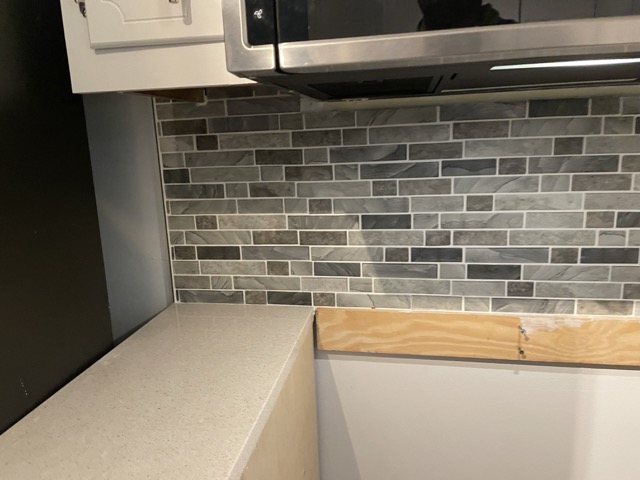
In many cases, underlying project conditions dictate the necessity for specialized tiles. For instance, heat resistance is a key consideration for tiling near fireplaces or kitchen backsplashes. Additionally, outdoor applications demand tiles that can withstand freezing temperatures and physical stress. These unique project demands call for specialized materials, which A-Otay Constructs is adept at sourcing and installing.
In conclusion, understanding tile specifications involves more than just picking a color or style. It requires careful consideration of the tile's material composition, wear and slip resistance, size, color, surface finish, and any specific requirements dictated by environmental conditions. At A-Otay Constructs, we empower our clients to make informed decisions that ensure their tiling projects withstand the test of time and fulfill aesthetic expectations. Whether embarking on a bathroom remodel or a large-scale commercial installation, understanding the science of surfaces is your first step towards success. Visit A-Otay Constructs for unparalleled expertise and a commitment to turning your tiling vision into reality.
/filters:no_upscale()/filters:format(webp)/media/f2c89de2-3504-4d21-b8dd-9ebedc9e4b27.jpeg)